A EUROPEAN SUMMIT


FREEDOM OF
RESEARCH


4.11. – 5.11.2026 | AACHEN

01

VISION

Our freedom and democracy are under threat. Our Summit serves as a place for reflection and foresight. We aim to bring together people from various backgrounds from all across Europe, fostering connections with thought leaders, and addressing pressing issues that will define Europe’s future.

Freedom, in all its dimensions, is a core European value and right. The freedom of research is vital for fostering innovation, expanding knowledge, and securing Europe’s future in times of division. Today, our continent faces complex challenges – ranging from political polarization and geopolitical tensions to economic disparities and environmental divides. How can we navigate these challenges and create a resilient framework for future developments?

OUR TOPICS

Freedom of Research
The freedom to conduct research is a fundamental European value, crucial for fostering innovation, advancing knowledge, and sustaining Europe's global competitiveness. Recent political and social tensions have increasingly threatened this freedom. How can we navigate these challenges and protect this essential value?

Our Summit aims to explore strategies for building a robust academic community that aligns with European principles and supports democratic governance and societal benefit. We seek to strengthen Europe's position as a competitive and sovereign actor while upholding the ideals of academic freedom.
Future of Europe
With the Summit, we aim to highlight key issues today that will be of immense importance for Europe and the EU tomorrow. What should Europe look like in the future? What priorities do we want to set? And how can we protect and strengthen European values while advancing European integration? How free are we in directing our focus, driving innovation, and shaping the future of Europe?

As uncertainties regarding the future of Europe mount and the call for transparency and public discourse grows louder than ever, we seek to engage a broad audience to discuss current and future challenges.
Times of Division
Europe stands at a crossroads: Political polarization, disinformation, and social fragmentation threaten the cohesion of our continent. National interests clash, while external crises put increasing pressure on our democracies. At the same time, science is under strain – facing targeted disinformation, political interference, and restrictions on academic freedom. How can we uphold shared values, safeguard scientific exchange, and strengthen trust in European institutions in times of division?

Our Summit will explore these pressing questions and seek ways to build bridges – between nations, generations, and social groups, as well as between politics, business, and science.
Innovation and Competitiveness
As Charlemagne Prize Laureate 2026 Mario Draghi has argued, Europe must strengthen its competitiveness and economic resilience in an increasingly contested global environment. This requires not only investment and industrial capacity, but also institutions that foster openness, talent, innovation, and the free exchange of knowledge.

Academic freedom remains a cornerstone of critical thinking, intellectual diversity, and open democratic discourse. Free inquiry and international academic cooperation are essential for a resilient research landscape and for sustaining Europe’s long-term innovative capacity.

With our Summit, we aim to discuss the political and institutional conditions needed for both a strong academic community and a competitive Europe. How do political systems shape knowledge production and innovation? Which barriers continue to hinder Europe’s competitiveness? And what are the broader societal costs when academic and research freedom are restricted?
02

PROGRAM 2026

Coronation Hall, Aachen Town Hall
01
WEDNESDAY, 4 NOVEMBER 2026
The “Freedom of Research: A European Summit 2026” kicks off with a special evening in the historic Coronation Hall of Aachen City Hall.

In his keynote, Manuel Heitor – former Portuguese Minister of Science, Technology and Higher Education, author of the “Heitor Report” (Align, Act, Accelerate), and professor at Instituto Superior Técnico of the University of Lisbon – will open the dialogue on freedom of research and the question of how innovation and competitiveness can shape Europe’s future.

A formal dinner will follow, where we will welcome this year’s Charlemagne Prize European Academy Fellows and celebrate the start of two days filled with new perspectives, challenging questions, and inspiring encounters in the heart of Europe.

Participation is free of charge but by invitation only.

Languages: English and German (with simultaneous interpretation)
Generali Saal, SuperC, RWTH Aachen University
02

SYMPOSIUM

THURSDAY, 5 NOVEMBER 2026
What does it mean to think, speak, and conduct research freely in a Europe undergoing change? Geopolitical uncertainty, technological change, and global competition are presenting Europe with new challenges. At the same time, freedom of research, innovation, and competitiveness are closely interconnected: all depend on openness, talent, international cooperation, and the free exchange of knowledge.

At the Symposium, we want to discuss together what conditions Europe needs to strengthen freedom of research and competitiveness and actively shape its future. Join us and bring your perspective to the discussion!

Everyone is warmly invited to attend. Participation is free of charge.

Time: 9:00 am–5:00 pm

Language: English

Registration: https://karlspreis.events
APOLLO Kino & Bar, Aachen
03

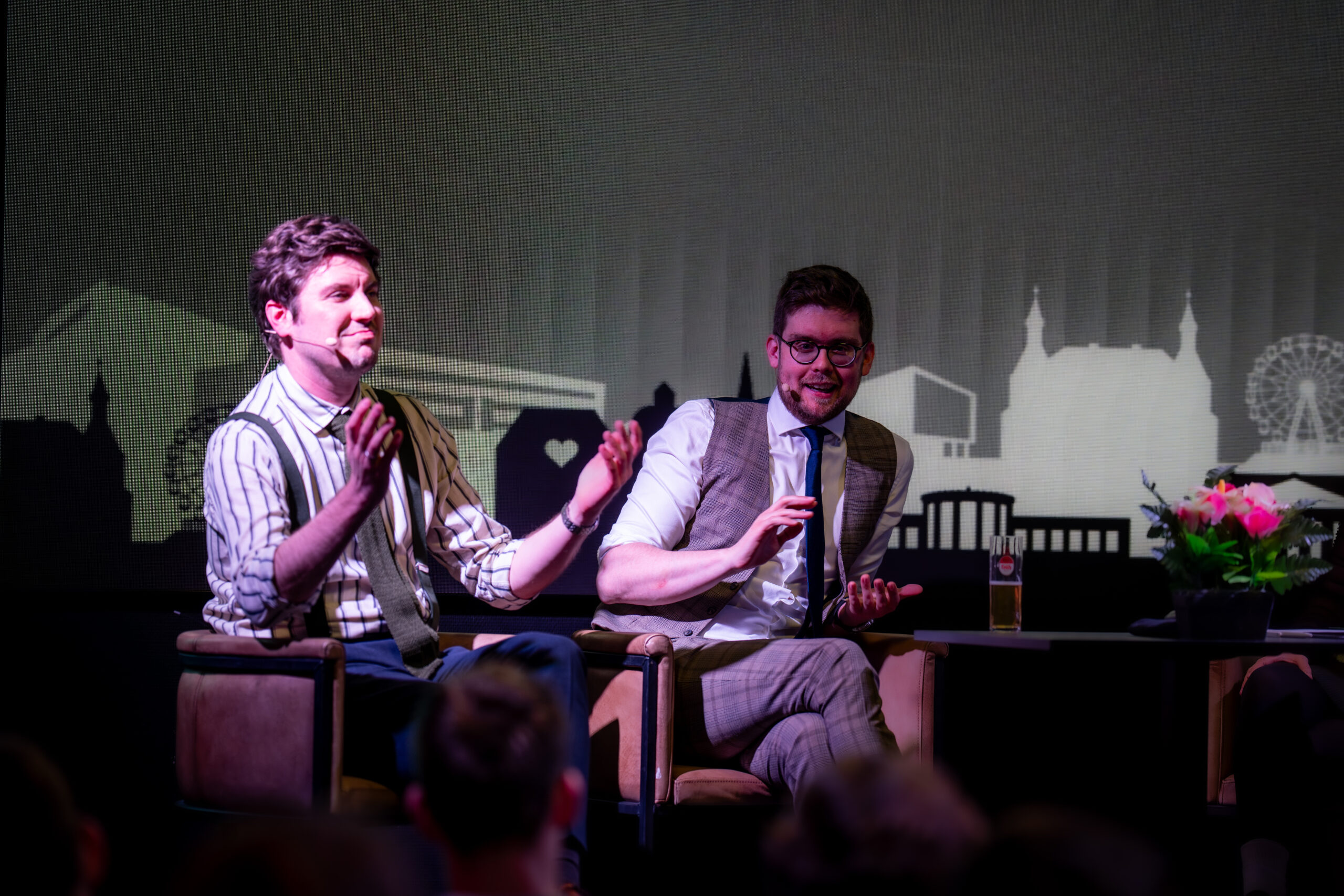
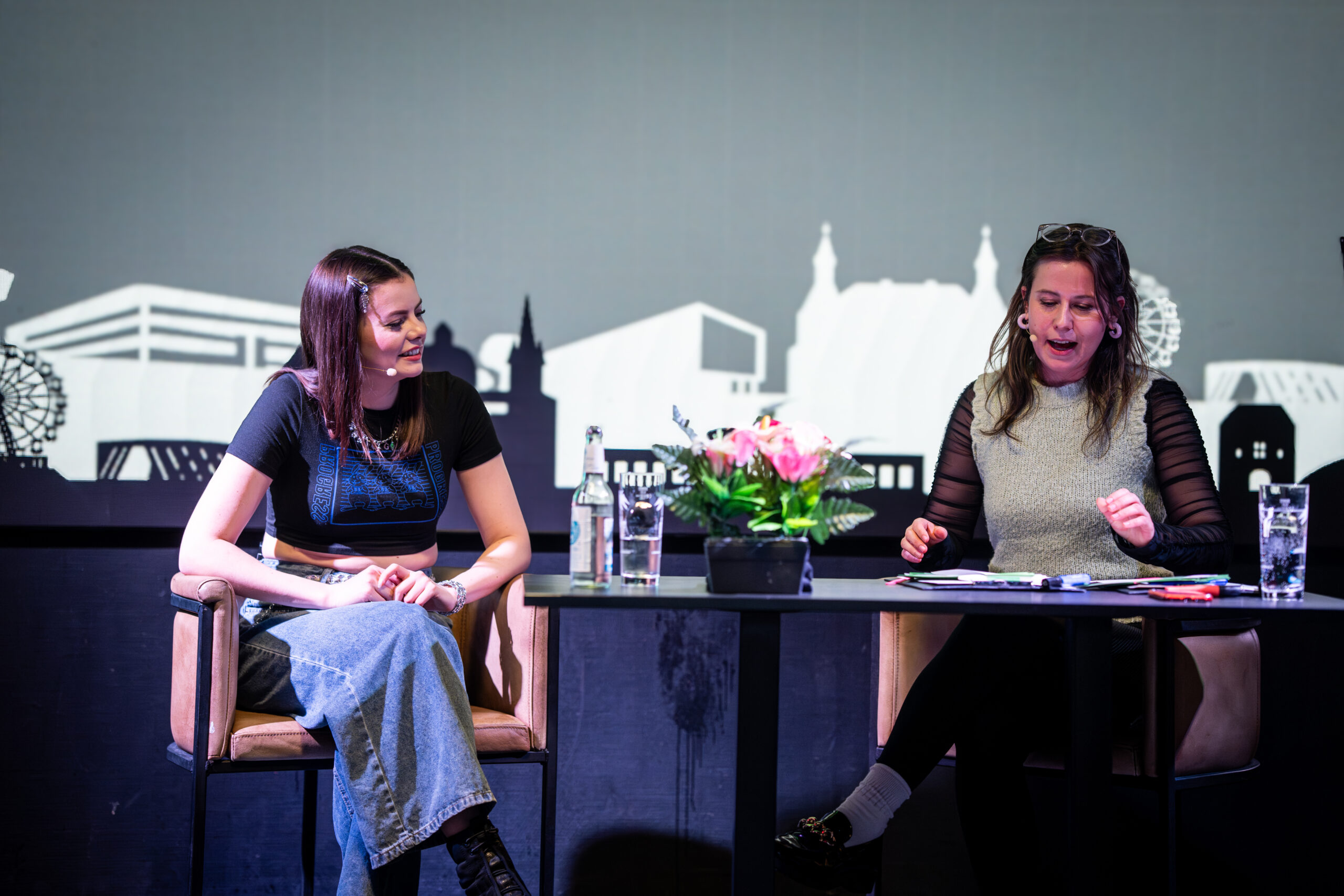
Stand-up FoR Science NIGHT

THURSDAY, 5 NOVEMBER 2026
We warmly invite you to join us for a special evening exploring the theme of freedom. Be inspired, join the discussion – or simply sit back and enjoy our diverse program!

Look forward to a poetry slam and a conversation about the U.S. midterm elections with Dr. Mayssoun Zein al Din, Executive Director of the Academy of International Affairs NRW, and Anca Agachi, Defense Policy Analyst at RAND and Charlemagne Prize Fellow 2025/26. The evening will also feature thought-provoking late-night talks with trained astronaut and climate researcher Dr. Insa Thiele-Eich and comedian Khalid Bounouar, moderated by Luca Swieter.

We look forward to an inspiring evening with you at Apollo Kino & Bar. Admission is free. No registration is required.
Time: 6:30–10:30 pm

Languages: German and English
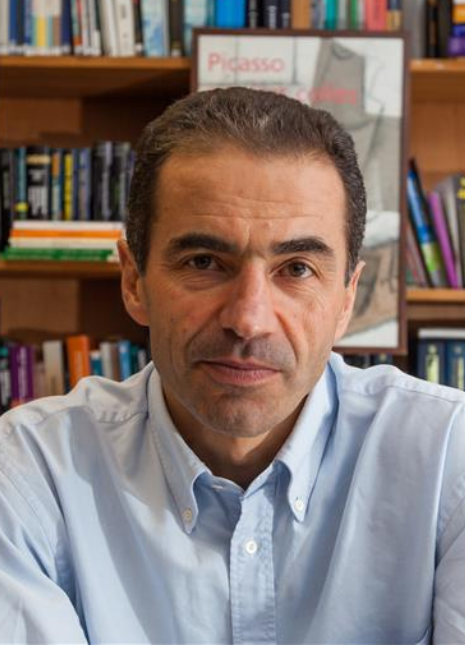
Manuel Heitor


Portugal’s Former Minister for Science, Technology and Higher Education, Author of the “Heitor Report”
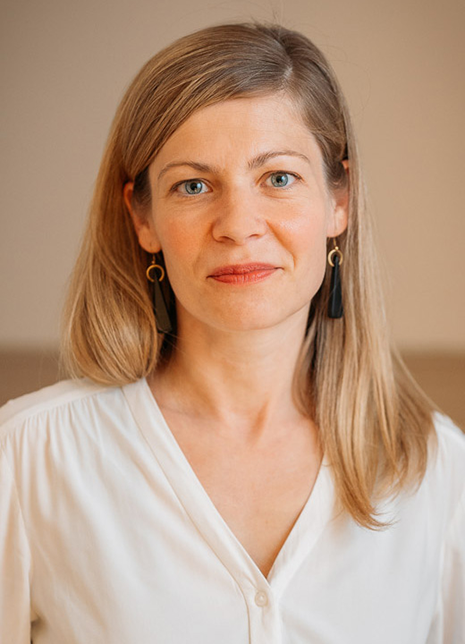
Eduardo Brito


Charlemagne Prize Fellow 2025/26

Anca Agachi


Charlemagne Prize Fellow 2025/26

Yu-Wei Chen


Charlemagne Prize Fellow 2025/26

Michael Ziemons


Lord Mayor of the City of Aachen

Paul-Olivier Dehaye


CEO, hestia.ai and Founder of PersonalData.IO

Carsten Reinhardt


Faculty of History, Philosophy and Theology, Bielefeld University

Olga Ceran


Europa Institute, Leiden University

Monika Steinel


Deputy Secretary General of EUA
Jürgen Janger


WIFO – The Austrian Institute of Economic Research

Ulrich Rüdiger


Rector, RWTH Aachen University

Cyrus Mody


History of Science, Technology, and Innovation, Maastricht University

Hylke Dijkstra


Maastricht University Europe Chair

Thomas Prefi


Spokesperson for the Charlemagne Prize Foundation’s Board of Trustees

Elena Bruni


LUISS Guido Carli University

Gabriele Gramelsberger


Chair for Theory of Science and Technology RWTH

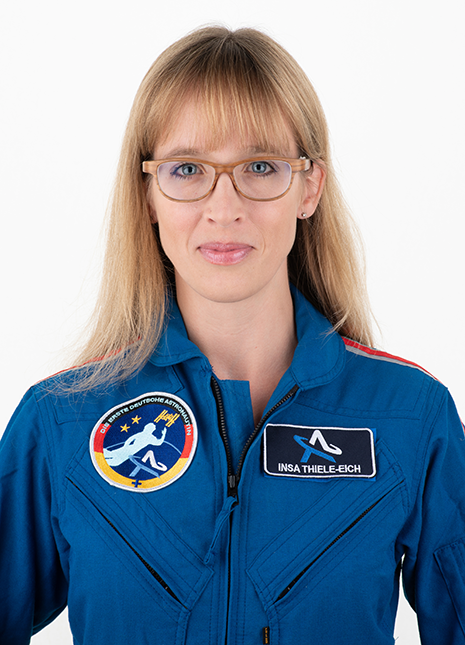
Insa Thiele-Eich


Science Communicator, (F) Astronaut, and Climate Researcher
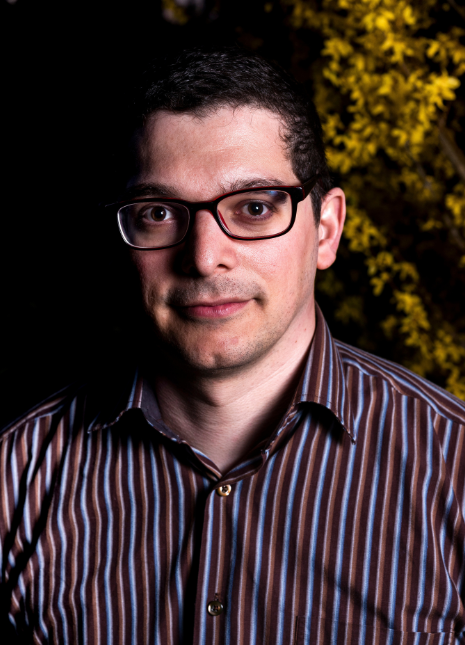
Stefan Böschen


Chair for Technology and Society RWTH

Julia Hagel


Moderator

Angela Maas


Deputy Spokesperson for the Charlemagne Prize Foundation’s Board of Trustees

Agnes Radziwon


University of Southern Denmark

Matthias Wessling


Vice-Rector for Transfer, RWTH Aachen University

Simon Middelkoop


Actor, Poetry Slammer, Comedian

FESTIVE EVENING EVENT
Prof. Dr. Manuel Heitor | Portugal's Former Minister for Science, Technology and Higher Education, Author of the "Heitor Report"
Manuel Heitor is a Full Professor of Mechanical Engineering at Instituto Superior Técnico (IST), University of Lisbon, and founding director of IN+, the Centre for Innovation, Technology and Policy Research. He served as Portugal's Minister for Science, Technology and Higher Education from 2015 to 2022, driving landmark reforms in research, innovation, and higher education policy. He is also the author of the "Heitor Report" (Align, Act, Accelerate), commissioned by the European Commission in 2024 as a strategic roadmap for EU research and innovation competitiveness and the future of Horizon Europe's successor program. A scholar with wide international reach, he has held visiting appointments at Harvard University and authored over 130 scientific publications. His career bridges rigorous engineering scholarship and high-level public policy, making him a leading voice on the future of science, innovation, and education in Europe and beyond.
Dr. Michael Ziemons | Lord Mayor, City of Aachen
Dr. Michael Ziemons has served as Mayor of Aachen since November 2025. A native of Aachen, he holds a doctorate in education and previously served as a professor and dean at the Catholic University of Applied Sciences NRW. Before becoming mayor, he was, among other roles, a department head at the Aachen Regional Authority, where he was responsible for areas including digitalization, social affairs, health, inclusion, and integration. Alongside his academic and professional career, Ziemons has been actively involved in numerous social and community initiatives for many years. As Mayor, he is committed to a citizen-centered, digital, and forward-looking administration and to developing Aachen together with its residents as a vibrant, diverse, and innovative city.
Prof. Dr. Ulrich Rüdiger | Rector, RWTH Aachen University
Ulrich Rüdiger has served as Rector of RWTH Aachen University since 2018. A native of Helmstedt, he knows the lecture halls and campus of RWTH not only as rector but also as a former student. From 1988 to 1997, he studied physics at the university, where he also earned his doctorate in 1997 and was appointed professor five years later.
Prof. Dr. Thomas Prefi | Chairman of the Charlemagne Prize Foundation
Since 2019, Thomas Prefi has been Chairman of the Foundation of the International Charlemagne Prize of Aachen. He studied mechanical engineering at RWTH Aachen University from 1984 to 1990, where he obtained his doctorate in 1995 and habilitated in 2002. He is co-founder, former CEO and member of the Supervisory Board of ‘Umlaut SE’ (formerly ‘P3 group AG’) - which has been part of Accenture since 2021 - and contributes to the strategic direction of the company. Professor Dr Prefi holds an associate professorship for production metrology and quality management at RWTH Aachen University.
Moderation: Dr. Angela Maas | Journalist and Moderator
Angela Maas is a German journalist and television presenter. She studied history at the University of Vienna, where she received her doctorate in 1986. From 1984 to 1986, Dr Maas worked for the Austrian Broadcasting Corporation before returning to Germany. After her return, she presented the programmes west3 and Lokalzeit from Cologne for WDR, among others. Today, Angela Maas works regularly as a freelance moderator. She is a Member of the Charlemagne Prize Directorate and serves as the Deputy Spokeswoman of the Executive Board of the Charlemagne Prize Foundation.
SYMPOSIUM
Prof. Dr. Stefan Böschen | Director of the KHK c:o/re, Chair for Society and Technology at the Human Technology Center (HumTec), RWTH Aachen University
Stefan Böschen is a sociologist of technology one of the two directors of c:o/re. He holds the “Society and Technology” chair at the Human Technology Center (HumTec), RWTH Aachen University. He is a spokesperson for HumTec and Rector’s Delegate for Leonardo, an awarded project at the same university, which aims to foster interdisciplinarity, responsibility and participation in academic teaching. He received his PhD in Sociology from the University of Erlangen-Nürnberg. From 2009 to 2010 he stood-in for the chair of Sociology of Science at Bielefeld University. After working at the Institute for Technology Assessment and Systems Analysis (ITAS) at Karlsruher Institute of Technology, he became Chair of Society and Technology at RWTH Aachen University in 2018. Stefan Böschen is also chairman of the Committee for Risk Research and Risk Perception at the German Federal Institute for Risk Assessment (BfR) and a member of the research project group on interdisciplinary reflections on science at the German Akademie der Naturforscher Leopoldina. His research encompasses science and technology studies, technology assessment, collaborative research and innovation action, knowledge and democracy.
Elena Bruni | Assistant Professor of Organization at LUISS Guido Carli University
Elena Bruni is a Tenure-track Assistant Professor of Organization at LUISS Guido Carli University, Italy. Her research examines the linguistic and multimodal processes that drive organizational and societal change, focusing on science denialism, vaccine hesitancy, institutional distrust, and practices occurring in morally ambiguous contexts. In 2024, she was awarded a Fulbright Distinguished Chair at the University of Pittsburgh. From 2020 to 2021, she was a Marie Skłodowska-Curie Research Fellow at WU Vienna, where she led a project on the discursive and multimodal dynamics of vaccine hesitancy. Her work has been published in journals including Academy of Management Review, Organization Studies, and Long Range Planning. She is also co-editor of Organized Science Denial: An Action Plan for Solutions (Oxford University Press). Caroline is also a columnist for Foreign Policy, EUobserver and De Standaard, and a member of the European Council on Foreign Relations. She was previously based in the Gaza strip, Jerusalem, Brussels, Geneva, Vienna and Oslo. She has written several books including, most recently, a best-selling comparison between the Habsburg Empire and the European Union which has been published in six languages.
Dr. Olga Ceran | Europa Institute of Leiden University
Olga Ceran is a Postdoctoral Researcher at the UCLouvain Saint-Louis Interdisciplinary Research Institute (Belgium) and a Guest Researcher at the Europa Institute of Leiden University (the Netherlands). Her current research examines academic freedom as a legal right in Europe, with a particular focus on Article 13 of the Charter of Fundamental Rights of the European Union (“freedom of the arts and sciences”) and the EU’s role in its protection. Olga is a former re:constitution Fellow and Mellon/SAR Academic Freedom Fellow. She has contributed to the 2024 and 2025 European Parliament Academic Freedom Monitors and serves as Co-Manager of the Research Network on Academic Freedom. She is also active in the open science movement and is committed to equitable access to knowledge and to fostering a supportive academic environment. Her broader research interests include comparative law, European human rights law, and Europeanisation, particularly in areas where the EU has limited competences. She holds a PhD in Law and an LLM in Comparative, European and International Laws from the European University Institute in Florence, as well as a Master’s degree in Law from the University of Wrocław (Poland).
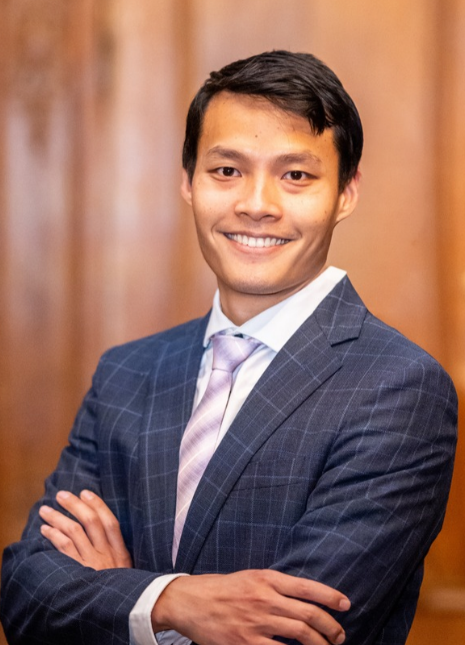
Prof. Dr. Hylke Dijkstra | Maastricht University Europe Chair and Professor of International Security and Cooperation
Prof. Dr. Hylke Dijkstra is the Maastricht University Europe Chair and Professor of International Security and Cooperation (Hoogleraar in Internationale Veiligheid en Samenwerking). He is an expert in European affairs, European security, multilateralism and international organizations. He studies how increasing geopolitics affects prospects for international cooperation, and what this means for Europe. As the UM Europe Chair (from September 2026), Hylke Dijkstra spearheads one of the four strategic research themes "Europe and a Globalising World" of Maastricht University and provides academic leadership to Studio Europa. Until August 2026, he serves as the Director of the Research Programme Europe: Society, Politics and Global Order (ESPO). Hylke Dijkstra is the Project Coordinator of the Horizon project ENSURED on how the EU and its member states can transform global governance. He is also the Project Coordinator of KNOWSEC-NL about research security in a geopolitical world. He is a member of the Standing Committee on European Integration of the Advisory Council on International Affairs (Adviesraad Internationale Vraagstukken).
Prof. Dr. Gabriele Gramelsberger | Director of the KHK c:o/re, Chair for Theory of Science and Technology, RWTH Aachen University
Professor Gabriele Gramelsberger is a philosopher of science and technology one of the two directors of the Käte Hamburger Kolleg: Cultures of Research (c:o/re). Since 2017, she holds the Chair for Theory of Science and Technology at the Faculty of Arts and Humanities at the RWTH Aachen University. She is a member of the RWTH Human Technology Center and serves as Vice Dean for Research of the Faculty of Arts and Humanities at the RWTH Aachen University. In 2019 she became a regular member of the North Rhine-Westphalian Academy of Science, Humanities and the Arts. Her research is devoted to the digitalization of science. Her aim is to develop a conceptual framework for Philosophy of Computational Sciences as well as an open science infrastructure for Computational Science Studies. In 2018 she founded the Computational Social Systems Lab, supported by the NRW Digital Fellowship 2017. In 2023, she received the K. Jon Barwise Prize 2023 for significant and sustained contributions to areas relevant to philosophy and computing by the American Philosophical Association.
Dr. Julia Hagel | Moderator
Since 2014, Julia Hagel has been working as a moderator for conferences, events, panel discussions or video productions for e.g., the ministry of economics Baden-Wuerttemberg (BaWü), Karlsruhe Insitute of Technology, Technical University of Munich, Technical University of Berlin, or the environmental ministry BaWü. The focus of her moderations lies on topics like science and sustainability. During her moderations she always strives to make complex topics accessible for everyone. She holds a Ph.D. in Business Administration and works as a Consumer Insights Manager at Bosch Siemens Home Appliances.
Mag. Dr. Jürgen Janger | WIFO - The Austrian Institute of Economic Research
Jürgen Janger works as a senior economist at the Austrian institute of economic research, where he has also been research group coordinator and deputy director for research in rotating management roles. His research focus is on the economics of science and innovation, including determinants of research and innovation performance such as knowledge transfer. He has more than 20 years’ experience in research and innovation policy studies and evaluations for the European Commission, EU framework programmes, the OECD, the Swiss Science Council, the German Commission of Experts for Research and Innovation, the Austrian government and many more. He was a member of the Steering Committee of the large scale FP7 project WWWforEurope, a main contributor to the MORE surveys and to the Knowledge Ecosystems project. Recently, he was an expert for the mutual learning exercise on research careers, coordinated the independent review of the EU industrial R&D scoreboard (GLORIA) and contributed to the Horizon SECURE project on researchers’ careers. He published in leading journals such as Research Policy, Higher Education and Technological Forecasting and Social Change.
Prof. Cyrus Mody (C.C.M.) | History of Science, Technology, and Innovation, Maastricht University
Professor Cyrus Mody is an historian of recent science and technology, specifically the applied physical sciences in the United States since 1965. He studies the commercialization of academic research, the longue durée of responsible research and innovation (RRI), and the technopolitics of scarcity in the long 1970s. For 2020-2025, Prof. Mody is the principal investigator for an NWO (Netherland Organisation for Scientific Research) Vici grant, "Managing Scarcity and Sustainability: The Oil Industry, Environmentalism, and Alternative Energy in the Age of Scarcity" (https://managingscarcity.com/). Other team members are Odinn Melsted (postdoc), Michiel Bron (PhD candidate, oil and nuclear energy project), and Jelena Stankovic (PhD candidate, oil and solar energy project). In parallel, Prof. Mody is a co-PI in the ERC Synergy grant "Nanobubbles" along with colleagues @_Nano_Bubbles (https://nanobubbles.hypotheses.org/). This project seeks to understand why the scientific record is so difficult to correct and how scientists are able to ignore contradictory evidence. The aim is to foster a healthier scientific dialogue in which contradictory evidence can be debated and errors corrected without fear of repercussions.
Prof. Dr. Thomas Prefi | Chairman of the Charlemagne Prize Foundation
Since 2019, Thomas Prefi has been Chairman of the Foundation of the International Charlemagne Prize of Aachen. He studied mechanical engineering at RWTH Aachen University from 1984 to 1990, where he obtained his doctorate in 1995 and habilitated in 2002. He is co-founder, former CEO and member of the Supervisory Board of ‘Umlaut SE’ (formerly ‘P3 group AG’) - which has been part of Accenture since 2021 - and contributes to the strategic direction of the company. Professor Dr Prefi holds an associate professorship for production metrology and quality management at RWTH Aachen University.
Dr. Agnes Radziwon | Associate Professor at the University of Southern Denmark, Research Fellow at the University of California
Agnes Radziwon is an Associate Professor at the University of Southern Denmark and a Research Fellow at the University of California, Berkeley. Professor Radziwon’s expertise is in innovation and technology management. As a scholar, she is looking into a broader perspective of inter-organizational collaboration in various types of (eco)systems. She is interested in the ways knowledge is transferred across organizations, the role of networks in facilitating or hindering innovation, and how institutions codify ideas and practices. She has published several highly cited articles concerning open innovation, open innovation in science, and ecosystems. She is a co-author of the Oxford Handbook on Open Innovation (OUP, 2024).
Prof. Dr. Carsten Reinhardt | Faculty of History, Philosophy and Theology, Bielefeld University
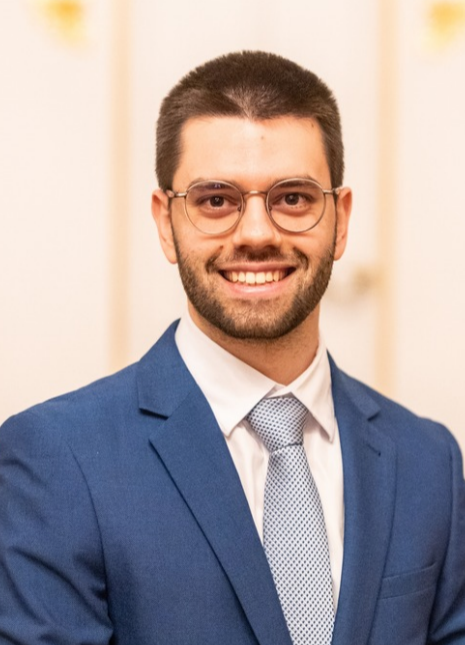
Carsten Reinhardt is Professor for Historical Studies of Science at the University of Bielefeld, and co-director of the university’s Institute of Studies of Science (ISoS). He took his PhD on chemical research at BASF and Hoechst between 1863 and 1914 at the Technical University of Berlin in 1996. He was an Assistant Professor at the University of Regensburg between 1997 and 2005 and was a Research Fellow at the Max-Planck-Institute for the History of Science, Berlin, in 2006-7, joining the faculty of the University of Bielefeld in 2007. From 2013 to 2016, he was President and CEO of the Science History Institute in Philadelphia, USA. Between 2014 and 2023, Reinhardt has co-directed the research program on the history of the Max Planck Society.

For his co-authored book Residues. Thinking Through Chemical Environments, Rutgers UP 2022, Reinhardt received the 2023 Robert K. Merton Award of the American Sociology Association (Science, Knowledge, and Technology Section). In 2024, he received the Morris Award of the Society for the History of Chemistry, recognizing scholarly achievement in the History of Modern Chemistry or the History of the Chemical Industry. From 2017 to 2021, he has been the President of the Gesellschaft für Geschichte der Wissenschaften, der Medizin und der Technik (GWMT). Reinhardt is member of the German National Academy of Science Leopoldina, the European Academy of Sciences and the Academia Europeae. In 2011, he was professeur invité at the Ecole Normale Supèrieure, Paris, and in 2024-25 fellow of the Käte Hamburger Kolleg Cultures of Research at RWTH Aachen. Reinhardt's overall research fields are the history of chemistry, industrial research, scientific instrumentation, regulatory science, and expert knowledge during the nineteenth and twentieth centuries. In his latest project, together with Helmut Maier (Wuppertal), Reinhardt explores the history of German governmental research agencies from World War I to the Cold War era, with a focus on National Socialism and World War II. These agencies, in the fields of chemistry, physics, geology, and material sciences, were responsible for research and regulation in a wide range of functions from the exploration of raw materials through the setting of standards to the testing of materials used for armament. Being key institutions of a totalitarian regime, they represented a science for autarky and war.
Monika Steinel | Deputy Secretary General of EUA
Monika has been Deputy Secretary General of EUA since October 2021. In this role, she shares strategic oversight of different elements of EUA’s work and contributes to the Association’s organisational development, including membership management and services as well as strategic and operational planning. She also leads EUA’s activities on academic freedom and university values, having participated in and contributed to many related initiatives and expert groups. Monika has been with EUA since 2010, initially in the Governance, Autonomy and Funding unit where she implemented EUA’s flagship Autonomy Scorecard project.
Prof. Dr. Matthias Wessling | Vice-Rector for Transfer, RWTH Aachen University
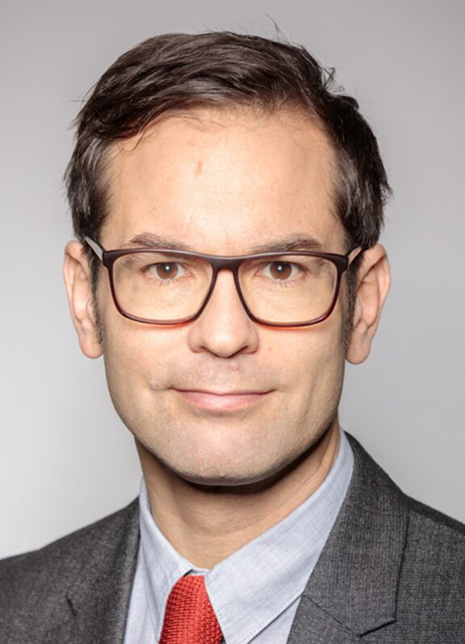
Matthias Wessling has been Vice Rector for Transfer at RWTH Aachen University since 2018. He has also headed the Chair of Chemical Process Engineering (AVT.CVT) at RWTH Aachen University since 2010.
Stand-up FoR Science NIGHT
Simon Middelkoop | Actor, Poetry Slammer, Comedian
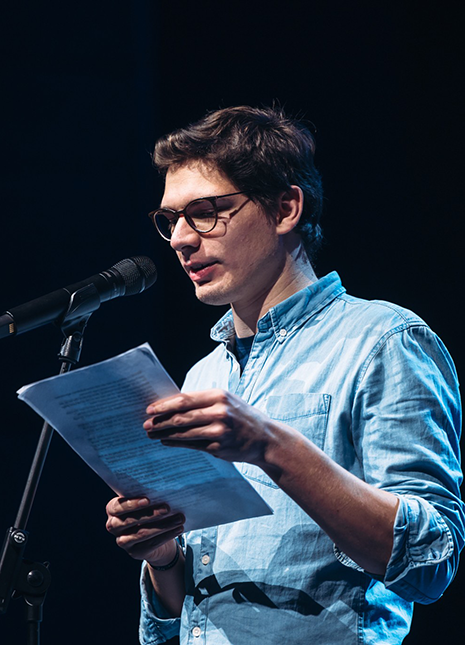
Simon Middelkoop, born on November 4, 1996, in Aachen, is a presenter, actor, comedian, and poetry slammer. After graduating from Herzogenrath Municipal High School, he studied social sciences at RWTH Aachen University. For over four years, he has been performing as a slam poet on stages in Aachen, North Rhine-Westphalia, and throughout Germany, where he presents humorous and pointed texts. In 2024, he took third place in the German-language Poetry Slam Championships. His many years of performance experience on Aachen's theater stages shape his presentation style, which alternates between playfulness and authenticity. In his texts, he deals with everyday observations, language, and the little absurdities of life. In addition to his own performances, he hosts slam and cultural events in the region.
Dr. Insa Thiele-Eich | Passionate Science Communicator, (F) Astronaut, and Climate Researcher
Insa Thiele-Eich holds a Ph.D. in meteorology, is a climate researcher, and an aspiring astronaut. As a research coordinator at the Institute of Earth Sciences at the University of Bonn, she conducts research on the effects of climate change on human health and is actively involved in local politics to promote climate protection. In 2017, she was selected from more than 400 applicants for the “Die Astronautin” initiative and completed an intensive training program that included parabolic flights, human centrifuge training, underwater simulations, orbital mechanics, and isolation training. With “Mission Homebound,” she continues to pursue her goal of participating in a scientific space mission. She shares her experiences as an author, on TV shows, in podcasts, and on social media, making science and future-oriented topics understandable and accessible. As a mother of five, a scientist, and the deputy mayor of Königswinter, she balances research, family, and community involvement—and demonstrates that big goals can be achieved with courage, perseverance, and drive.
Evgenija Kosov | Poetry Slammer
For ten years now, Evgenija Kosov has been enriching poetry slam and literary stages throughout the German-speaking world. At the age of 13, her enthusiasm for stage poetry was sparked in an extracurricular club at school, and since then she has taken every opportunity to present her art. In addition to her work as a slam poet, she organizes and hosts various events throughout North Rhine-Westphalia, such as a stand-up comedy show in Bochum and a writing workshop in Cologne. Her verbal artistry earned her the title of runner-up in the 2024 North Rhine-Westphalia Championships and a place in the finals of the German-language Poetry Slam Championships. As a student living in Bochum, she authentically recounts a life between the past and the big city, university and the stage, feeling lost and finding herself again.
Luca Swieter | Science Slammer
Luca Swieter has been one of the most sought-after slam poets in the German-speaking world for over ten years. She is a multiple participant in the German-speaking under 20 and over 20 championships and a finalist in the North Rhine-Westphalian poetry slam championships. In Cologne, she hosts the biggest monthly poetry slam ReimGold.
Prof. Dr. Matthias Wessling | Vice-Rector for Transfer, RWTH Aachen University
Matthias Wessling has been Vice Rector for Transfer at RWTH Aachen University since 2018. He has also headed the Chair of Chemical Process Engineering (AVT.CVT) at RWTH Aachen University since 2010.
 
03

WHY PARTICIPATE?

05

SAVE YOUR SPOT

All events, except for the dinner, are open to the public. The program parts are all free of charge. To participate in the Summit, please register for the individual events at www.karlspreis.events. After registering, you will receive a confirmation email and a ticket with further information.

For any questions, please feel free to contact us at:
contact@for-summit.eu
For press inquiries, please contact:
04

ABOUT US

The Summit is jointly organized by the Charlemagne Prize Foundation and RWTH Aachen University’s Knowledge Hub and Käte Hamburger Kolleg: Cultures of Research (co/re). We invite you to Aachen for a summit focused on the crucial role of freedom in scientific, cultural, social, and political contexts. With a program that includes a festive evening event, an all-day symposium, and a stand-up night, the summit will bring together researchers, policymakers, representatives of business, media, culture and the public to exchange ideas and develop strategies for strengthening academic freedom, fostering a resilient European community that champions democratic governance and societal benefit, and connect fresh perspectives and innovative solutions for the challenges of tomorrow.
05

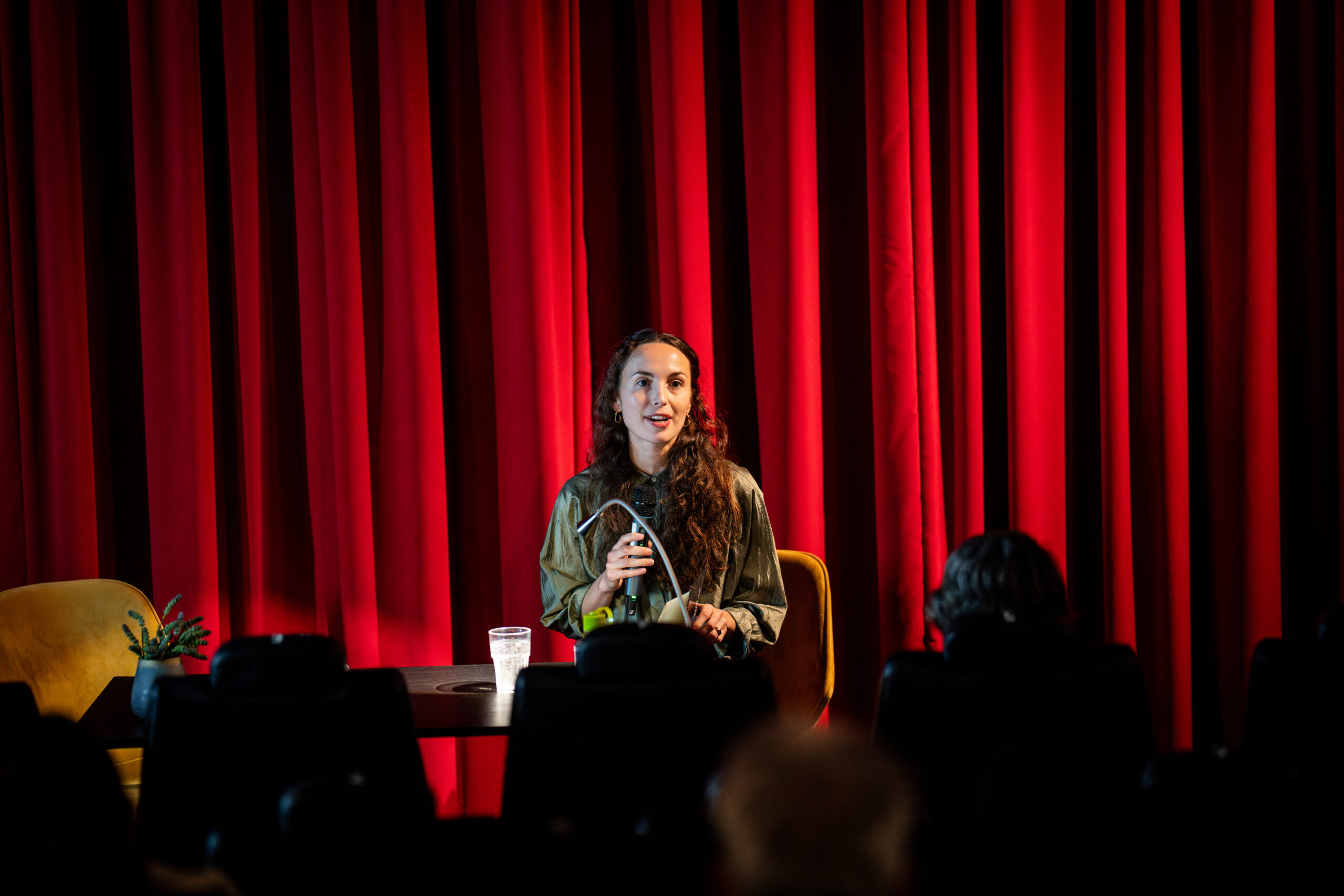
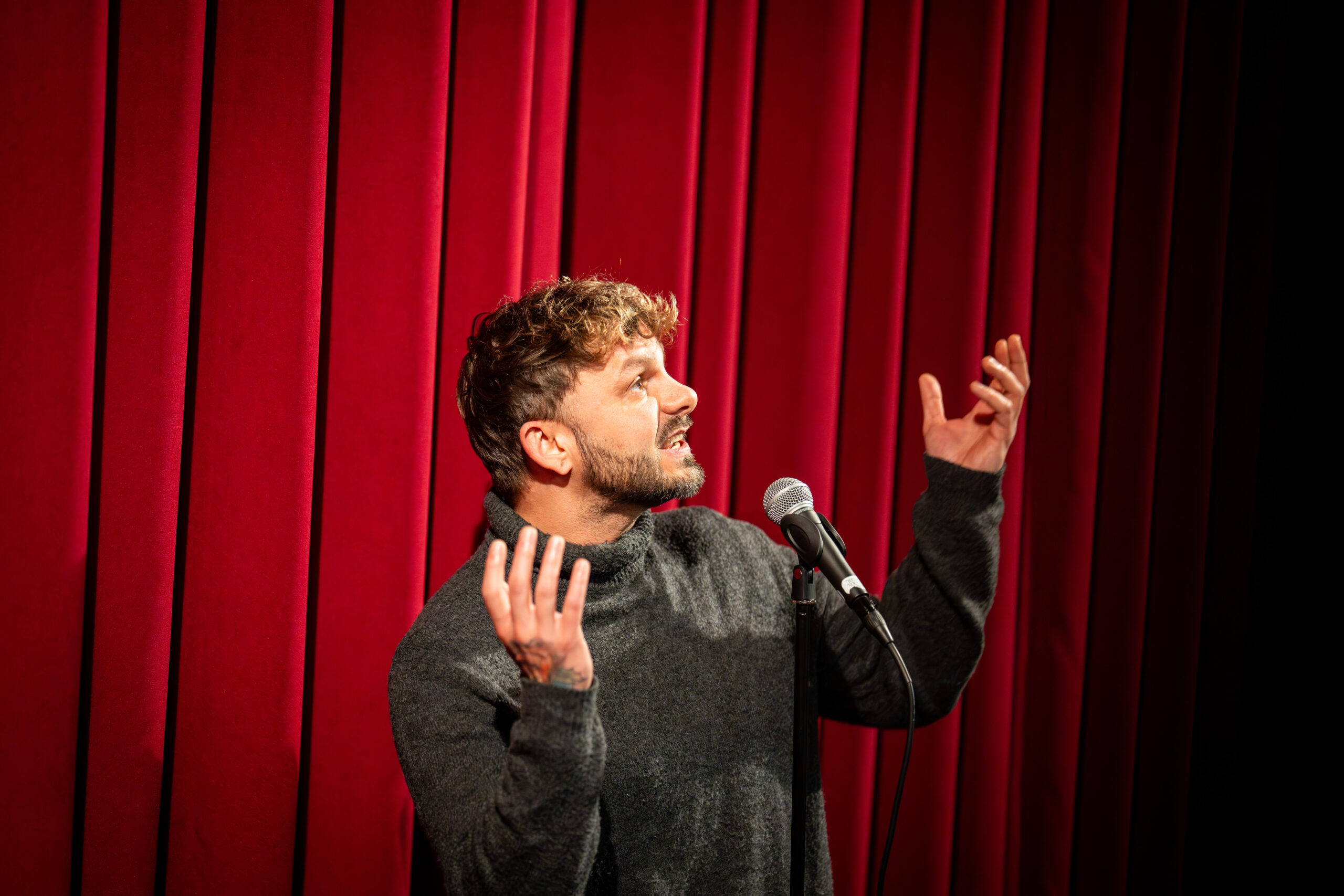
IMPRESSIONS